Scientists Find Unexpected Clue That May Protect an Endangered Species
- Feb 14
- 1 min read
Updated: Feb 26
Student summary by Jayden Ahn
Original Source: Ben Baker, Yahoo News, August 15, 2023.
Abstract
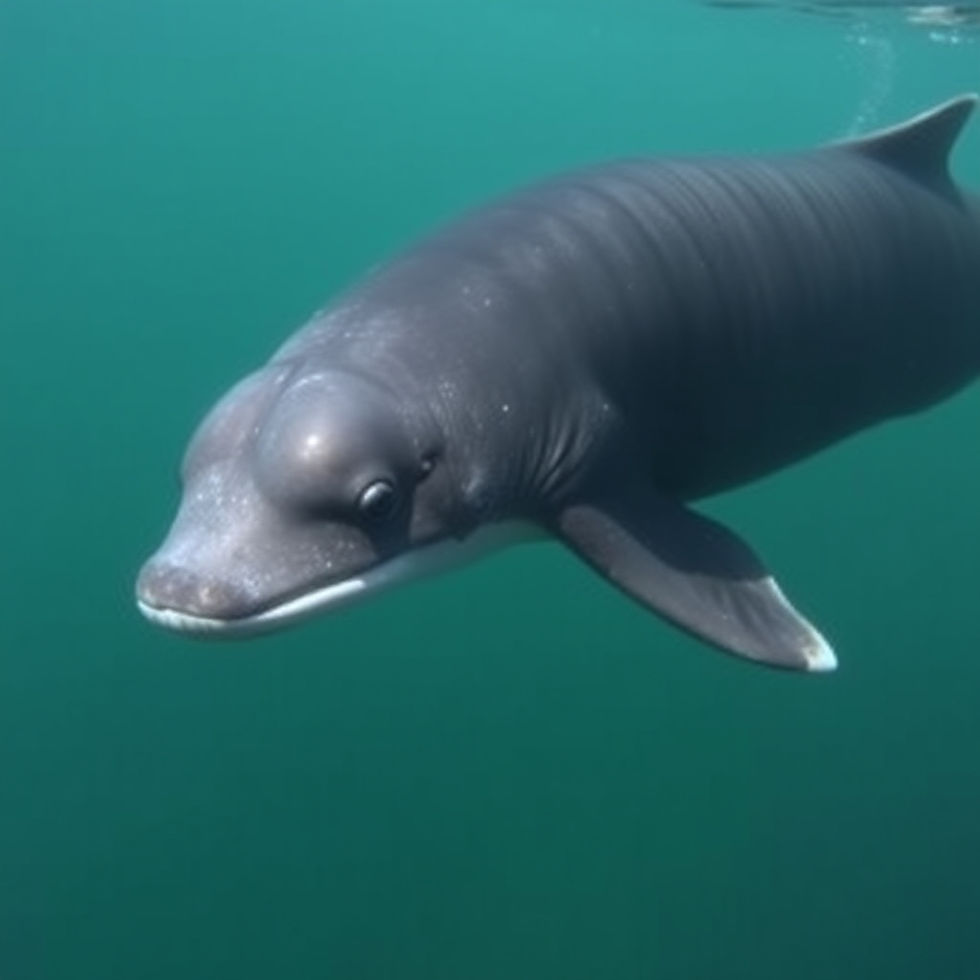
Background: A vaquita, a 5-foot porpoise, is one of the smallest whales and the most endangered whale species in the world. In May 2022, researchers and scientists sought to understand why there were so few Vaquitas left and went out to open waters to investigate.
Objective: In Early May, scientists and researchers were trying to see how many of the Vaquitas they could see were still alive in about two weeks. They were also trying to find out why the Vaquitas were disappearing.
Method: The researchers and scientists went on a boat and ventured into the Gulf of California every day for two weeks. They were trying to see how many Vaquitas are still left and in existence in the open waters of the Gulf of California.
Results: The scientists and researchers ended up finding ten to thirteen Vaquitas in the waters of the Gulf of California. The primary reason for the decline of Vaquitas is gillnetting, which entangles the creatures and causes them to drown. So the Mexican government made a Zero Tolerance Area (ZTA), which prohibited gillnetting. Then the Mexican Navy began patrolling regularly. This caused an estimated 90% decrease in gillnetting in the zone.
Conclusion: The once-endangered Vaquita is now saved because there is no more that can harm the small whale.